Low cortisol aim or high-energy flicking as the better Valorant approach for Phoenix mains
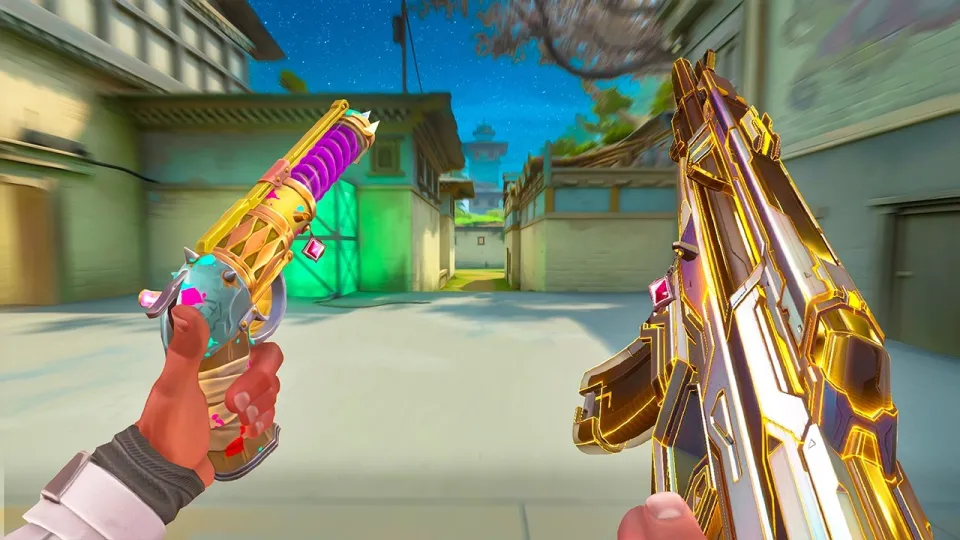
Video: low cortisol aim..
Want articles like this for your own video to promote it on YouTube and Google? Order them through the Telegram bot @sat_sit_bot. It writes articles around your video, embeds the video and publishes them on popular niche websites (no ads). Free trial — 50 articles.
· based on the channel Rawzu
Key takeaways
- Low cortisol aim means calm, pre-planned crosshair placement instead of reactive flicking under stress.
- Rawzu runs 400 DPI at 0.625 sensitivity, 1440x1080 resolution and a 1-6-2-2 crosshair.
- His setup: Logitech G Pro X Superlight 2, Artisan Zero Soft pad, Zowie XL2566K at 360Hz.
- Phoenix's Curveball and Blaze reward calm entry timing more than raw flick speed.
- A stable frame rate matters more than a new mouse for consistent aim in Valorant.
Low cortisol aim in Valorant is the practice of keeping your crosshair calm, pre-placed and deliberate instead of relying on reactive flicks under pressure, and for most ranked players it beats high-energy flicking because it produces repeatable results across long sessions. The style is the whole point of Rawzu's Phoenix montage-style video «low cortisol aim..», where the aim looks almost boring while the movement does the work. If you want the same stability on your own machine, start by locking your PC settings with the Hone optimization build for Valorant, then rebuild your aim habits around placement rather than speed.
What low cortisol aim actually means in Valorant
Low cortisol aim describes a shooting style built on preparation, not reaction: you hold angles with the crosshair already at head height, you strafe into shots instead of swinging the mouse wildly, and you accept that some duels are lost rather than panic-flick into them. The name is a joke about stress hormones — the idea is that a player whose hands stay loose and whose heart rate stays low will land more shots over a 40-minute match than someone running on adrenaline.
In practice the style rests on four habits:
- Crosshair placement at head level along every common angle before you peek.
- Micro-adjustments with the wrist, big turns with the arm — never the reverse.
- Counter-strafing so your first bullet leaves the gun while you are standing still.
- Deliberate peeks timed with utility, not reactive swings after being spotted.
Rawzu's own numbers support the philosophy: 400 DPI at 0.625 sensitivity is a genuinely low effective sensitivity, roughly 250 eDPI, which forces arm movement and makes tiny overshoots less likely. His crosshair is a compact 1-6-2-2, thin enough to see heads through it at range on 1440x1080 stretched resolution.
Why Phoenix rewards a calm aim style more than flick speed
Phoenix is an offensive duelist whose kit is designed to remove the need for desperate aim duels, which is exactly why a low-stress approach fits him. Curveball flashes around corners so enemies cannot hold an angle with their crosshair ready, Blaze cuts sightlines and heals you as you push through it, and Hot Hands gives you a molly that doubles as self-sustain. Run it Back means a bad entry costs you a respawn timer, not a round.
That changes the aiming math. A Phoenix who flashes first and then walks into a pre-aimed head-level crosshair wins fights without ever needing a 180-degree flick. A Phoenix who dry-peeks and relies on raw reaction speed is gambling every round on hardware, ping and nerve. The calm route converts utility into easier shots; the flick route converts utility into highlight clips and inconsistent ranked results.
The peripheral setup behind a steady hand
A calm aim style is easier to hold when nothing in your setup fights you, and Rawzu's listed gear is chosen for consistency rather than flash. His Logitech G Pro X Superlight 2 is a lightweight wireless mouse, the Artisan Zero Soft is a control-oriented cloth pad with moderate stopping power, and the Zowie XL2566K runs at 360Hz so motion stays readable during fast strafes. None of that is exotic — it is a control setup, not a speed setup.
If you are copying it, prioritize in this order:
- A mousepad with stopping power — control pads reduce overshoot more than a lighter mouse does.
- A monitor refresh rate of at least 144Hz, ideally 240Hz or higher, paired with a frame rate that stays above it.
- A mouse whose shape you can grip for hours without tension in the forearm.
- Sensitivity low enough that a full 180-degree turn needs arm movement, not just wrist.
A 360Hz panel is wasted if the game drops to 120 frames in smokes. That is why Rawzu points viewers toward PC optimization for Valorant before anything else — stable frame times do more for aim consistency than a peripheral upgrade.
Common questions from viewers about this playstyle
Viewers regularly push back on calm aim clips with the same doubts, and they are worth answering directly because they shape how people practice.
«Is this just smurfing against weak opponents?» Some commenters assume calm aim only works against lower-ranked players. In reality the style is rank-agnostic: pre-aiming and counter-strafing are the mechanics that separate Diamond from Immortal regardless of who is on the other side. Against better opponents, calm aim matters more, because they punish dry peeks instantly.
«Why does the movement look more impressive than the aim?» Because it is. Strafing into shots, jiggle-peeking and using Blaze as cover are the actual skill expression here; the crosshair just finishes the job. One viewer noted exactly that split — impressive aim, but the movement is the standout — and that is the correct read of the style.
«What about the odd audio and editing moments?» Clips in this format often include abrupt sound cues and quick cuts, and viewers notice them. Treat them as editing choices, not gameplay advice; nothing about a jump-cut changes how you should hold an angle.
«Should I copy the exact sensitivity?» Only as a starting point. 400 DPI at 0.625 works for Rawzu because of his pad size, desk space and grip. Drop your current eDPI by roughly 20 percent, play ten deathmatches, and keep it only if your tracking and micro-adjustments improve.
How to build low cortisol aim in your own ranked games
You can train the calm approach in a week of deliberate practice without changing your agent pool. The goal is to make head-level placement automatic so that duels feel slow.
- Spend ten minutes in the Range before queueing, holding angles and strafing out of them without firing until the crosshair sits on the head.
- Play one deathmatch per session with the rule that you never flick — if the crosshair is not already close, you reposition instead of swinging.
- On Phoenix, always flash or wall before entering; treat utility as the thing that makes the shot easy.
- Review one lost round per match and ask whether the crosshair was pre-placed or whether you reacted late.
- Keep your setup fixed for at least two weeks — changing sensitivity mid-week resets the habit you are building.
The measurable signal is your headshot percentage and your first-bullet accuracy, not your highlight count. Players who commit to the calm style usually see fewer multi-kill clips and a higher round win rate.
Useful links
- Hone PC optimization for Valorant — the build Rawzu recommends for stable frame rates.
- Rawzu's original music on Spotify — the tracks used across his edits.
- Rawzu's Discord community — settings talk, clips and queue partners.
Final take on calm aim versus flicking
Low cortisol aim wins for the average Valorant player because it converts practice into repeatable results instead of relying on reaction speed that degrades under pressure. Rawzu's Phoenix footage makes the case visually: the crosshair rarely travels far, the movement does the work, and the utility sets up shots that never require a desperate flick. Copy the philosophy before you copy the sensitivity, and fix your frame rate before you buy a new mouse. The channel Rawzu is worth following for that demonstration alone, since the clips show the style in real ranked conditions rather than in an aim trainer.
Source: low cortisol aim.. · Markdown version
Questions & answers
Is low cortisol aim actually better than high-sensitivity flicking in Valorant?
For most players, yes, because pre-placed crosshairs and counter-strafing produce repeatable results across long sessions, while flicking depends on reaction speed that drops under pressure. High sensitivity can still work for aggressive entry players, but it demands far more consistent practice to stay accurate.
Do I need Rawzu's exact sensitivity of 400 DPI and 0.625 to play this way?
No, that is roughly 250 eDPI and it suits his pad size and arm movement. Use it as a reference point, lower your current eDPI by about 20 percent, and keep the change only if your tracking and micro-adjustments improve over a week of testing.
Why does the movement in these Phoenix clips look better than the aim?
Because the style is built on strafing into shots, jiggle-peeking and using Blaze as cover, with the crosshair simply finishing the job. The aim looks calm precisely because the movement has already put the enemy in front of a pre-aimed crosshair.
Does PC optimization really matter for aim consistency?
Yes. Frame drops and stutters break the timing between your strafe and your shot, which is fatal for a calm aim style. Stable frame times above your monitor's refresh rate matter more than a peripheral upgrade, which is why an optimization pass is the sensible first step.